Radio Stations of Setúbal
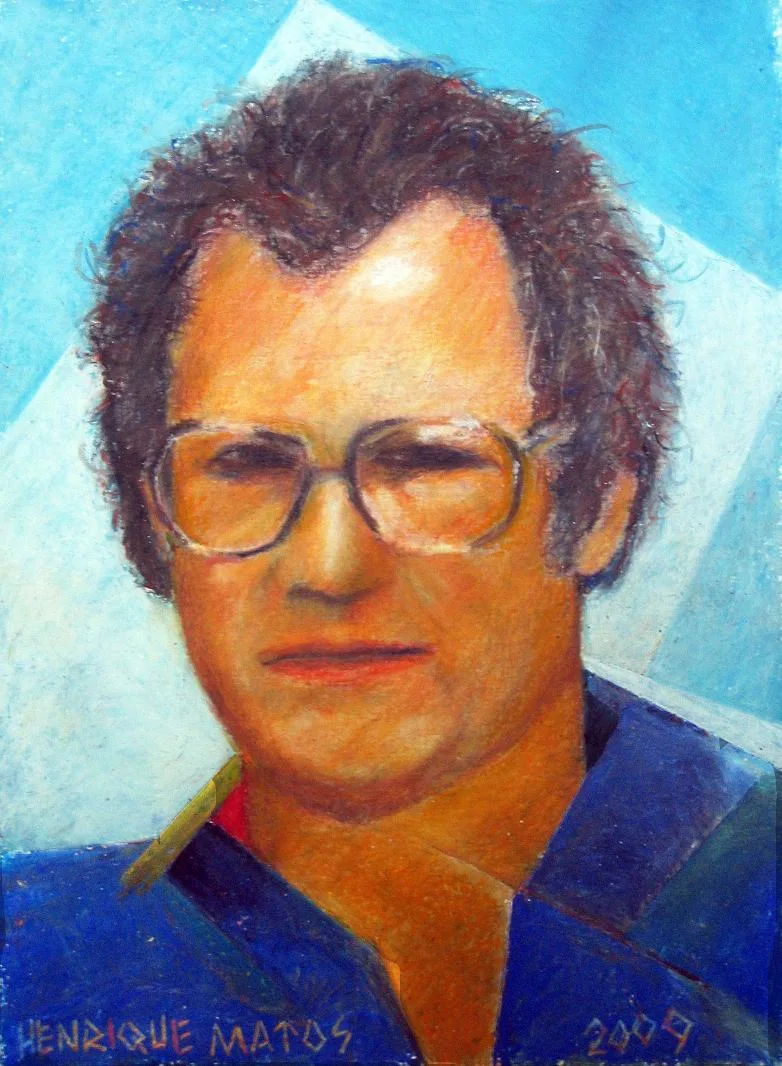
📷 Image credit
Photo: Henrique Matos / Wikimedia Commons / CC BY-SA 3.0
Thirty years ago the Setúbal District had 20 radio stations. Today barely half a dozen remain, most operating with just two or three staff. Yet it was from a town in this very district — Grândola — that the song “Grândola, Vila Morena” was born, the password of the Carnation Revolution broadcast by radio on 25 April 1974.
Radio and the Revolution: “Grândola, Vila Morena”
Radio played a decisive role in the Carnation Revolution:
- 22:55, 24 April 1974 — the station Emissores Associados de Lisboa broadcast Paulo de Carvalho’s “E Depois do Adeus” — the first signal
- 00:20, 25 April — Rádio Renascença aired “Grândola, Vila Morena” by José Afonso during the programme “Limite” — confirming the start of the MFA military operation
The song was written in 1964 after José Afonso performed in Grândola — a town in the Setúbal District. The cassette was prepared by Carlos Albino, the programme’s producer, and sound engineer Manuel Tomás — they agreed the plan kneeling in the church of São João de Brito, pretending to pray, to evade censorship.
Active stations in the district
| Station | Frequency | Town | Operator |
|---|---|---|---|
| RDS (Rádio Seixal) | 87.6 FM | Seixal | — |
| Rádio Jornal de Setúbal | 88.6 FM | Setúbal | Rádio Jornal de Setúbal, Lda. |
| Popular FM | 90.9 FM | Montijo / Pinhal Novo | Cooperative |
| Rádio Clube de Grândola | 91.3 FM | Grândola | Community |
| Rádio Sines | 95.9 FM | Sines | Volunteer Firefighters Association |
| Rádio M24 | 102.7 FM | Santiago do Cacém | — |
| Sesimbra FM | 103.9 FM | Sesimbra | Cooperative |
Rádio Jornal de Setúbal (88.6 FM)
The main local radio station of Setúbal city. Operating for over 32 years (founded c. 1992, after the licensing wave). Programming: news, music, sport, 24 hours. Available online and via mobile app.
Popular FM (90.9 FM)
The most-listened-to local radio station in the Lisbon Metropolitan Area and the Setúbal Peninsula (Bareme Marktest rating). Transmitter in Montijo, studios in Pinhal Novo. Focus on Portuguese-language music. Key programmes: “Bom dia Arrábida” (morning show), “A Semana Política”, “Pontapé de Saída” (sport). Over 25 years on air.
Sesimbra FM (103.9 FM)
Run by the Cooperativa de Comunicação e Cultura de Sesimbra. Over 30 years of broadcasting. Programming: news, interviews, entertainment. Tagline: “Rádio dos sete mares” — “radio of the seven seas”. Interview podcast available on Spotify.
Rádio Sines (95.9 FM)
Began broadcasting on 23 January 1988. Operated by the Sines Volunteer Firefighters Association. Around 60% of music airtime is Portuguese-language music. Tagline: “A rádio do Litoral Alentejano”.
Rádio Clube de Grândola (91.3 FM)
Founded in 1988 by a group of Grândola residents. Mission: to serve the community and promote municipal activities.
National stations in the region
The main transmitter for Setúbal coverage is on Serra da Arrábida.
| Station | Frequency | Network |
|---|---|---|
| Antena 2 (RTP) | 88.7 FM | State (RTP) |
| RFM | 89.9 / 93.2 FM | Renascença Multimedia |
| Rádio Renascença | 90.2 FM | Renascença Multimedia |
| Rádio Comercial | 96.8 / 97.4 FM | Bauer Media Audio |
| M80 | 107.5 FM | Bauer Media Audio |
The pirate radio era (1977–1988)
Rádio Porta Aberta
The only confirmed pirate station linked to Setúbal — Rádio Porta Aberta (“Open Door”). It broadcast between Setúbal and Palmela from 1977 to 1984. It operated only a few hours a day, a few days a week — to evade inspectors and because of limited resources.
Legalisation
- 30 July 1988 — the Radio Broadcasting Law (Lei n.º 87/88) regulated the sector
- 24 December 1988 — all pirate stations went silent
- 1989 — an open licensing competition: the commission proposed 365 frequencies across mainland Portugal
- By the early 1990s, the Setúbal District had around 20 stations
No community radio status
Portugal still has no separate legal status for community radio. The law recognises only state and private broadcasting. Nevertheless, between 2015 and 2020, 21 community radio stations were identified across the country.
The crisis of local media
Testimony of Francisco Alves Rito (editor of the newspaper O Setubalense) at the 5th Congress of Journalists:
Thirty years ago the Setúbal District had 20 radio stations. Every large municipality had two, every one at least one. Today barely half a dozen remain — and almost all have been reduced to minimal operations with two or three staff.
This contraction reflects a nationwide trend of media concentration and closure of local stations.
Internet radio
| Project | Description |
|---|---|
| Rádio Web Setúbal Sado | Web radio from Setúbal |
| Radio Sado 80’s | 1980s nostalgia music |
| RVD Rádio | Sports internet radio: “O Portal Deportivo” |
| Rádio Quinta do Conde | Online, Sesimbra focus |
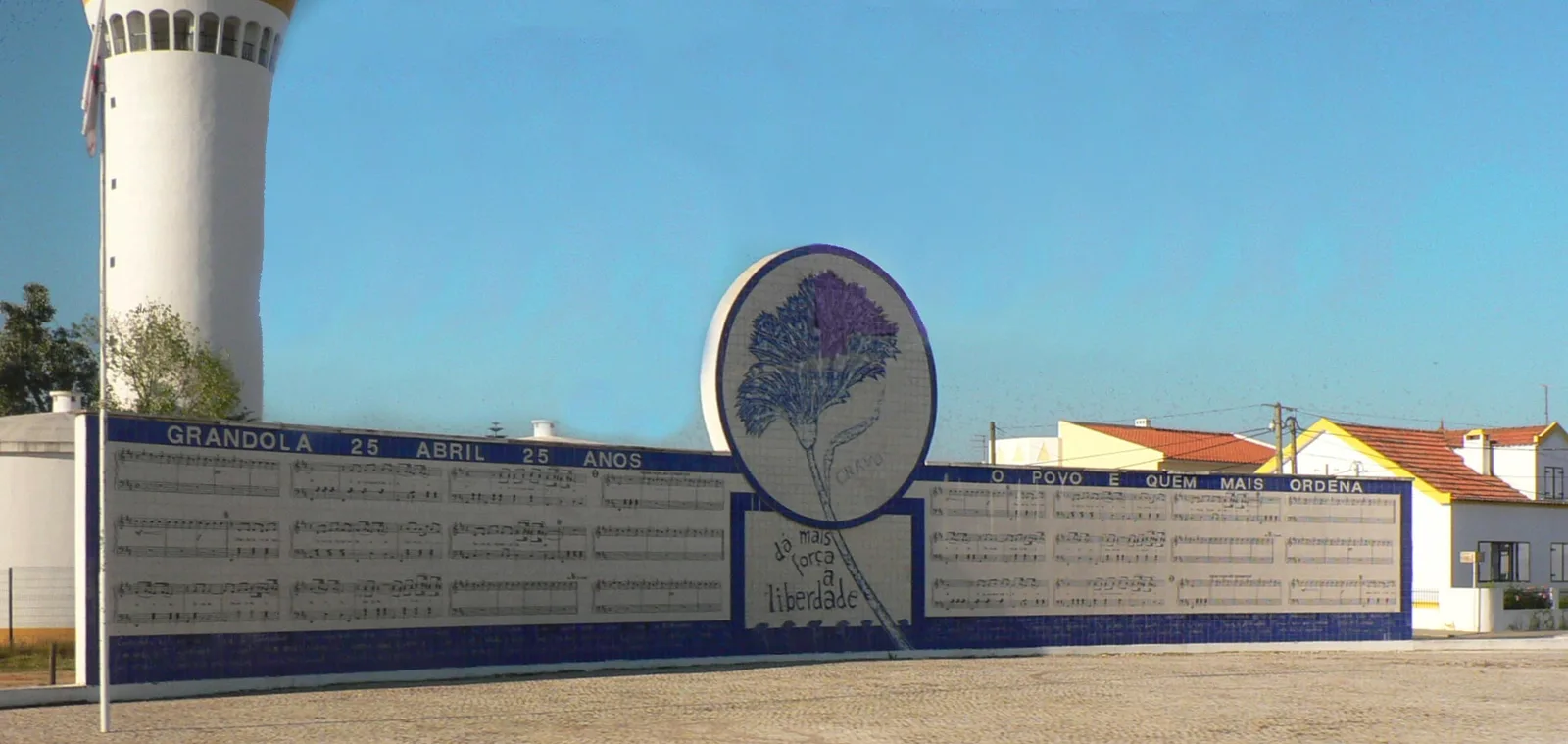
📷 Image credit
Photo: Juntas / Wikimedia Commons / Public Domain
See also
- O Setubalense and Setúbal’s Newspapers
- Setúbal’s Media Landscape
- The Carnation Revolution in Setúbal
- Setúbal as a Creative City
If this article was useful — help us write the next one.
☕ Support on Ko-fi